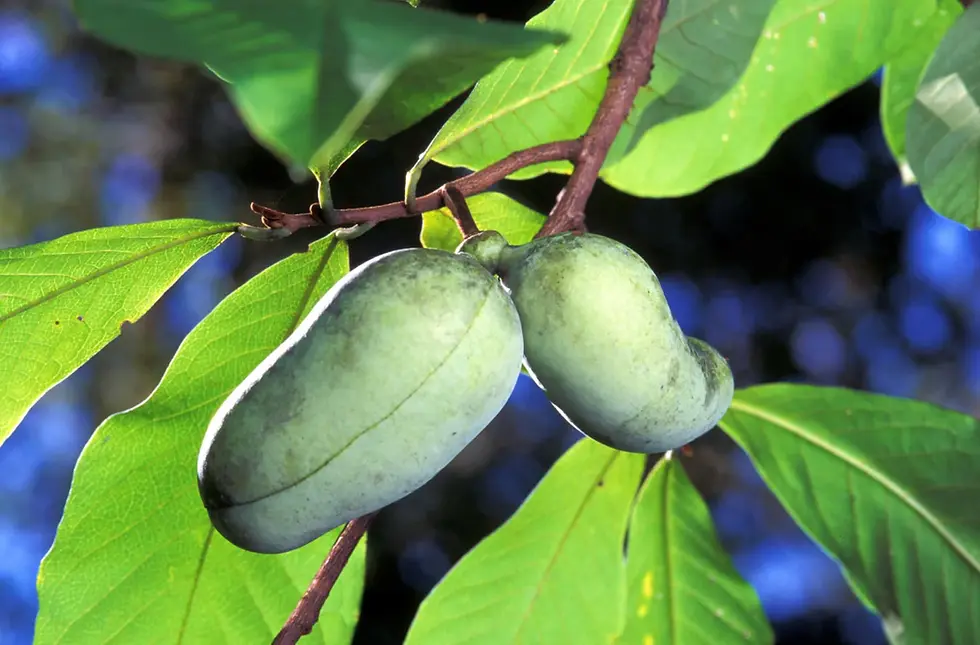

2yr 12-18" Red Mulberry
Meet the Red Mulberry (Morus rubra) — A Lush Native Fruit Tree of Forest Edges and Homesteads 🌿
The Red Mulberry is North America’s native mulberry species—a generous, fast-growing tree known for its sweet, juicy berries, broad shade-giving leaves, and deep ecological importance. Found naturally along riverbanks, woodland edges, and rich bottomlands, this resilient tree offers abundant summer fruit for both people and wildlife while anchoring diverse forest ecosystems.
Often overshadowed by its introduced relative, the white mulberry, the Red Mulberry remains the true native treasure—richer in flavor, deeper in history, and invaluable for wildlife support.
Sweet Summer Fruit in Abundance 🍇
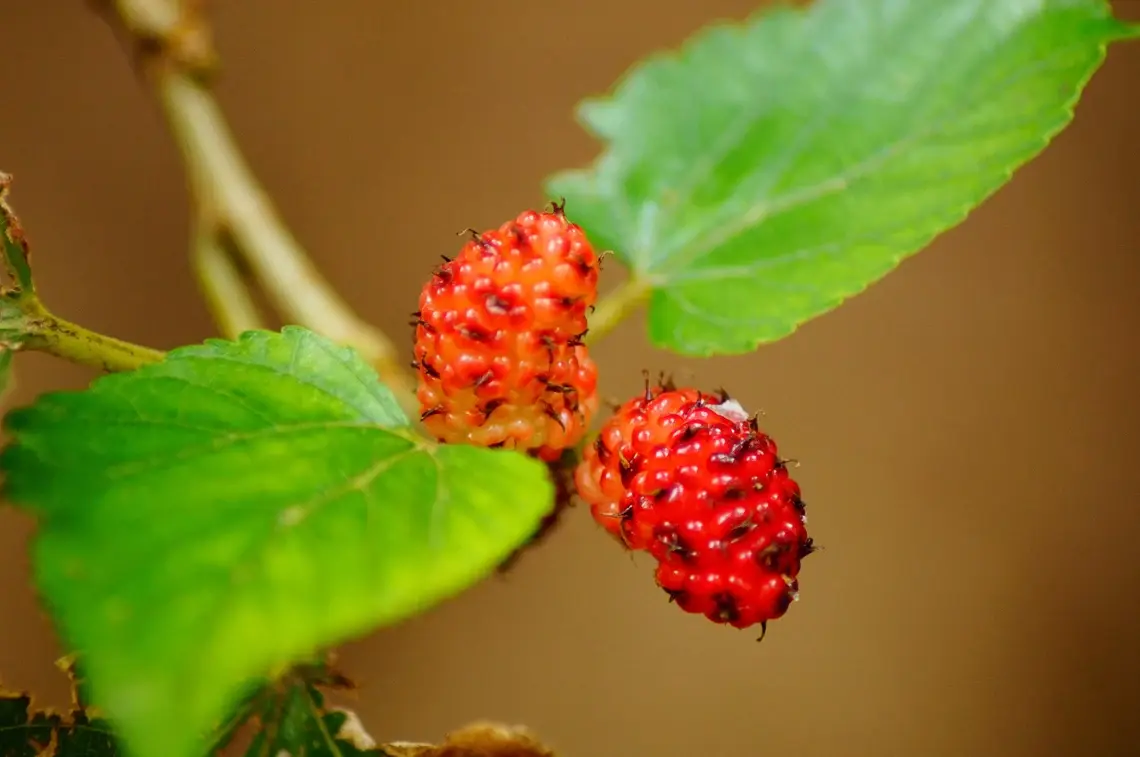
Red Mulberry produces clusters of elongated berries that resemble blackberries when ripe. The fruit ripens from late spring into early summer and transitions from green to red to deep purple-black at maturity.
The berries are:
Exceptionally sweet and juicy
Softer and richer in flavor than white mulberry
Highly perishable (best eaten fresh)
Excellent for jams, wines, syrups, pies, and fresh eating
Because they ripen over several weeks, mulberries provide a steady harvest rather than a single flush.
Wildlife Powerhouse 🐦
Few native trees rival the Red Mulberry for wildlife value:
Fruits feed dozens of bird species, including thrushes, orioles, and tanagers
Also eaten by raccoons, foxes, opossums, and squirrels
Leaves serve as host plants for several moth species
Dense canopy offers nesting habitat and shade
When fruiting heavily, a mulberry tree becomes a hub of wildlife activity.
Leaves and Traditional Uses 🌱
The leaves of Red Mulberry are large, heart-shaped, and sometimes lobed. They have historically been used:
As livestock fodder
In traditional herbal preparations
Occasionally dried for tea
Unlike white mulberry, Red Mulberry leaves are not typically used in commercial silk production, though they are botanically related.
Wood and Practical Uses 🪵
Red Mulberry wood is surprisingly durable and rot-resistant:
Strong and flexible
Historically used for fence posts and tool handles
Sometimes used for barrel hoops and small woodworking projects
Naturally resistant to decay in ground contact
Its golden-brown heartwood darkens beautifully with age.
Flowering and Fruit Production
Red Mulberry trees are often dioecious, meaning male and female flowers grow on separate trees, though some trees may bear both.
Female trees produce fruit
Male trees produce pollen
Planting multiple trees increases likelihood of fruit production
The flowers are small and wind-pollinated, appearing in early spring.
Landscape and Restoration Uses 🌳
Red Mulberry is ideal for:
Food forests and edible landscapes
Wildlife habitat restoration
Riparian buffers and bottomlands
Large yards and homesteads
Shade tree plantings
Native woodland edges
Because of its size and fruit drop, it’s best planted away from driveways and patios.
Care and Maintenance
Watering: Moderate; appreciates moisture but tolerates short dry periods
Soil: Prefers rich soils but adaptable
Sun: Fruits best in full sun
Pruning: Minimal; shape when young to establish strong structure
Pests/Diseases: Generally hardy and resilient
Spread: May self-seed readily in favorable conditions
A Native Fruit Tree of Generosity and Shade ✨
The Red Mulberry (Morus rubra) is a tree of abundance—offering sweet summer fruit, cooling shade, durable wood, and unmatched wildlife value. Fast-growing and adaptable, it quickly becomes a centerpiece in edible landscapes and native plantings.
For those seeking a productive, wildlife-supporting native tree with rich flavor and deep ecological roots, the Red Mulberry is a beautiful and rewarding choice.