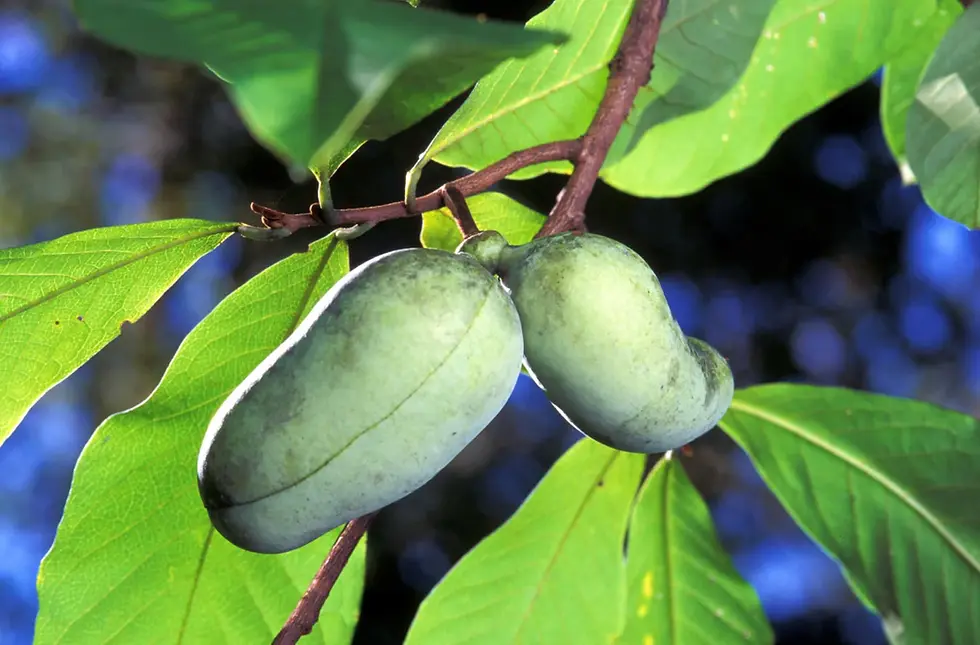
2yr 8-14" Paw paw
Discover the Tropical Treasure of the Pawpaw Tree (Asimina triloba)
Native to the rich woodlands and river valleys of the eastern United States, the Pawpaw tree is a uniquely American fruit bearer—one that brings the flavors of the tropics to temperate climates. With its large, custard-like fruit, lush foliage, and deep cultural history, the Pawpaw is both an ecological gem and a culinary delight.
Growing Details:
Hardiness Zone: 5 to 9
Mature Size: 15 to 25 feet tall, with a spread of 10 to 15 feet
Growth Rate: Moderate
Sunlight: Full sun for best fruiting; tolerates partial shade (especially when young)
Soil Preferences: Moist, well-drained, fertile soils; thrives in bottomlands and rich woodland soils
A Native Fruit with Tropical Flavor
Pawpaw fruit is unlike anything else native to North America. The fruit is high in nutrients, including vitamins, minerals, and beneficial antioxidants. They are large, oblong, and soft when ripe, each fruit contains:
A creamy, custard-like yellow to brown flesh
A thin, edible skin
A rich, tropical taste often compared to banana, mango, and even pineapple
This sweet, fragrant fruit can be enjoyed fresh or incorporated into:
Pies and cakes
Jams and preserves
Smoothies and milkshakes
Ice cream, custards, and frozen treats
Baked goods as a banana substitute
A Spring Flowering Tree with Unique Reproduction
The Pawpaw tree produces deep maroon, bell-shaped flowers in spring—exotic in appearance and important for native pollinators. But their reproductive biology is unusually complex:
Trioecious (Subdioecious) Flowering Pawpaws may produce male, female, or hermaphroditic flowers depending on the plant.
Because of this, planting only two trees may result in both being male or both being female, leading to no pollination and no fruit.
Planting three Pawpaw trees is strongly recommended to maximize the chance of successful pollination, unless you live in an area with wild Pawpaws nearby.
There is no way to determine a tree’s sex until it flowers, making planning essential.
Additionally, Pawpaws have evolved slight self-incompatibility, making cross-pollination far more successful than self-pollination.
Ecological and Wildlife Benefits
Leaves serve as the exclusive host plant for the Zebra Swallowtail butterfly.
Fruits are eaten by foxes, raccoons, opossums, and other mammals.
Flowers attract specialized flies and beetles for pollination.
Dense foliage provides shelter for songbirds and wildlife.
Cultural, Historical, and Medicinal Uses
The Pawpaw has deep roots in Native American and early American folklore:
Indigenous tribes consumed the fruit, used the inner bark for cordage, and applied medicinal preparations for various ailments.
Early settlers also relied on Pawpaws as a wild food source, calling them the “poor man’s banana.”
In some Native American traditions, the Pawpaw is considered sacred, associated with healing, spiritual protection, and good fortune.
The fruit and tree have long been part of regional folklore, sometimes believed to carry mystical or luck-bringing powers.
Even today, Pawpaws are celebrated in regional festivals and renewed culinary interest.
Versatile Landscape Applications
The Pawpaw is ideal for:
Edible landscapes
Woodland gardens
Riparian buffers
Native plantings
Permaculture and homestead orchards
Young trees benefit from some shade, but mature trees fruit best with full sunlight.
Care and Maintenance
Watering: Prefers consistent moisture, especially while establishing.
Pruning: Minimal; prune in late winter to shape or remove crossing branches.
Pests/Diseases: Exceptionally resistant; deer rarely browse the leaves due to their strong compounds.
Pollination Needs: Plant 3 trees for best results unless wild populations are nearby.
Planting Pawpaw trees means growing a piece of North American heritage—one that rewards you with sumptuous tropical-tasting fruit, ecological value, cultural significance, and a beautiful, shade-loving tree. Whether you’re building a native orchard or enriching a woodland garden, the Pawpaw brings flavor, folklore, and natural beauty to your landscape.